The Benefits of Outdoor Play
Outdoor play is essential for early childhood development. While digital media offers some advantages, excessive screen time among children has reduced outdoor activity. Many parents recognise this concern and are looking for ways to reconnect their children with nature.
Physical Development
Children who spend more time outdoors playing are less likely to develop weight-related health issues through active engagement. Outdoor activities like running and climbing strengthen muscles and build endurance, establishing healthy lifestyle habits early on.
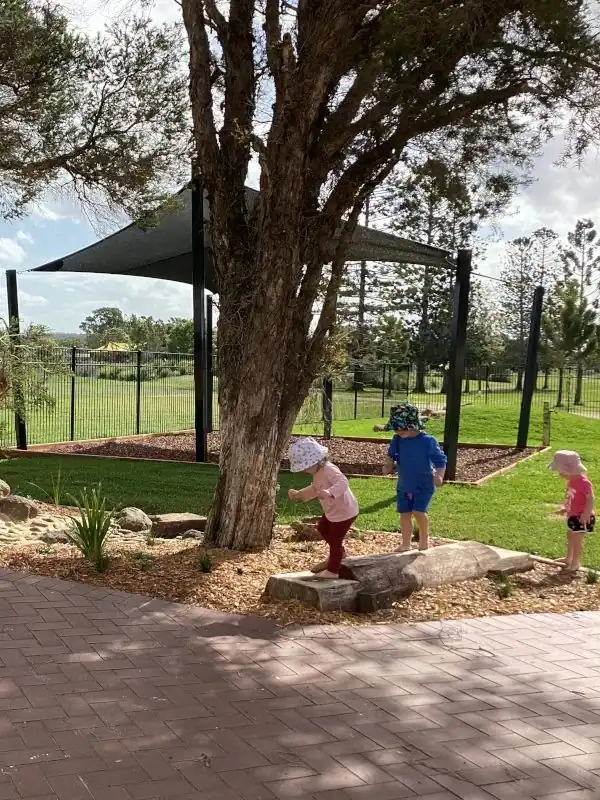
Motor skill development is enhanced through climbing, balancing, and coordination exercises that are naturally available in outdoor settings. Vitamin D exposure from outdoor play supports immune function, bone growth, sleep cycles, and mood stability.
Emotional Growth
Outdoor play builds confidence and independence as children test abilities at their own pace and develop self-awareness. When children take on physical challenges in natural environments, they learn to assess risk, build resilience, and develop a sense of achievement.
Time spent outdoors also fosters environmental appreciation through positive childhood experiences. Children who develop a love of nature early in life are more likely to become environmentally conscious adults.
Intellectual Benefits
Natural settings engage all five senses, strengthening sensory processing and cognitive development. The complexity of natural environments provides endless opportunities for observation, classification, and scientific thinking.
Children love to invent their own games and act out pretend situations in outdoor environments, promoting creative thinking and imagination. Nature provides open-ended materials that inspire creative play in ways that manufactured toys cannot.
Social Skills
Public outdoor spaces expose children to diverse peers, improving collaboration abilities. When children play together in natural settings, they learn to negotiate, share, and cooperate in organic ways.
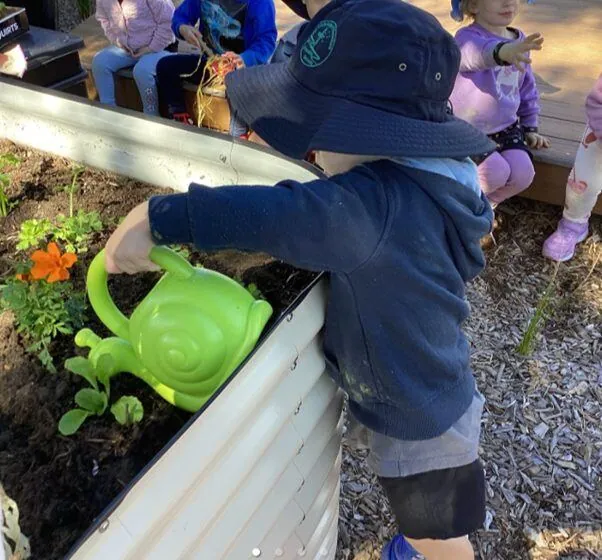
Interaction in outdoor environments encourages awareness of others' emotions and develops healthy communication skills between peers. Group activities like building a cubby or exploring a garden require teamwork and develop leadership skills.
Creating a Nature-Based Curriculum
At Explorers School of Early Learning, our nature-based, community-focused approach places outdoor play at the heart of our curriculum. Nestled in Nesbitt Park, our expansive outdoor environment provides the perfect setting for children to explore, discover, and learn through meaningful interactions with the natural world.
We believe that children are more grounded and centred when connected to the natural environment, and we are committed to providing meaningful outdoor experiences every day.